
Bag Gloves for Boxing: Choose the Right Fit, Weight and Type
Choose boxing bag gloves by purpose, fit and padding—not ounces alone—then test them over wraps, train with clean technique and know when to replace them.
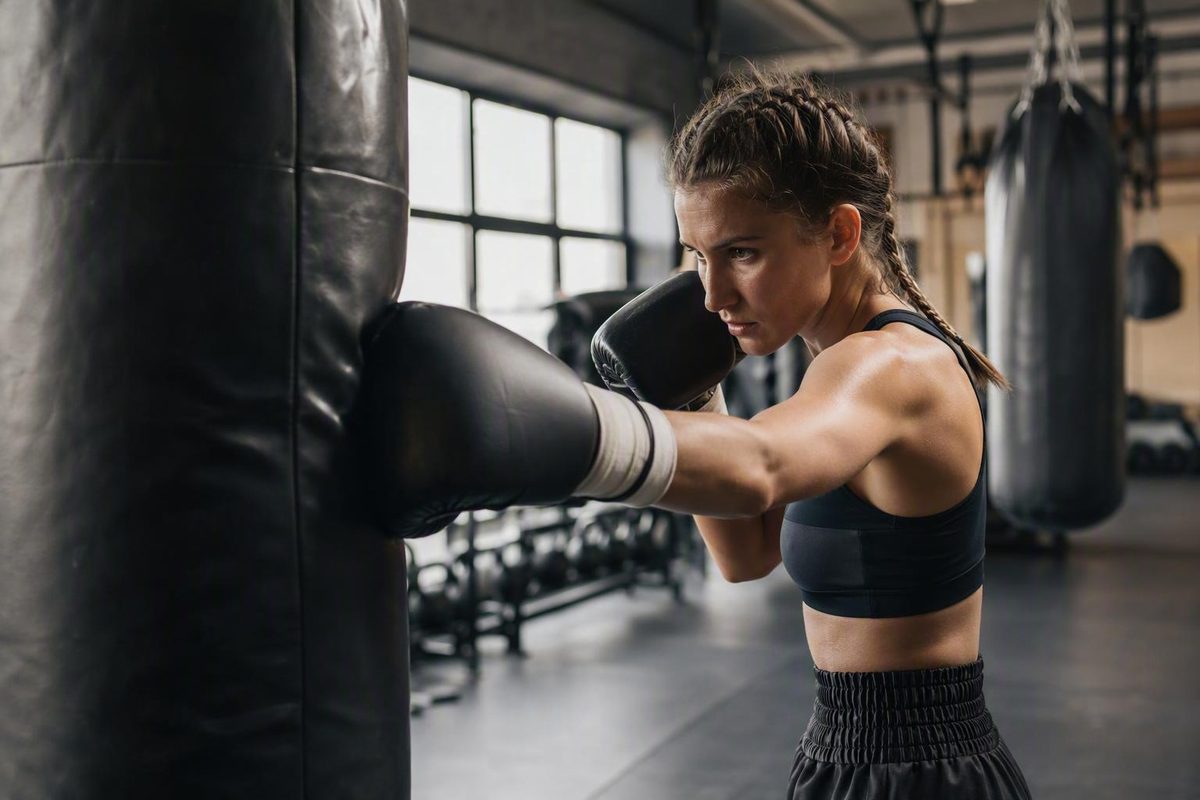
Bag gloves are boxing gloves intended for heavy bags, double-end bags and other striking equipment. Compared with sparring gloves, they often use denser padding suited to repeated contact with a firm target. That construction is also why dedicated bag gloves should not be used on a partner: they have less give than sparring gloves (TITLE Boxing).
For a beginner, the best pair is not automatically the lightest, heaviest or most expensive. Choose in this order:
- Intended use: bag work only, or bags and pads.
- Fit over your usual hand wraps.
- Enough padding and wrist support for comfortable, controlled contact.
- A weight your coach and gym consider suitable.
Bag gloves, training gloves and sparring gloves
The labels overlap between brands, so read the product description rather than relying on the name alone.
- Dedicated bag gloves: built for bags and similar equipment. Some are sold by hand size—such as S, M or L—rather than solely by ounce weight.
- Training gloves: general-purpose gloves commonly offered for bags, pads and drills. They are a practical first pair when you do several kinds of non-contact work.
- Sparring gloves: made for controlled contact with a partner and selected under the coach’s rules.
Do not turn a bag-used pair into sparring gloves later. Repeated bag contact wears down the padding and roughens the striking surface; keeping separate pairs preserves the sparring pair for partner work (TITLE Boxing).
If you need one pair for solo bag sessions and pad sessions, look for a bag or training model approved by your coach. If sparring is added later, buy a separate pair that meets the gym’s sparring requirements. For a broader breakdown of a bag-and-pad setup, see Punch Bag and Mitts: What You Need.
What ounce weight should you choose?
Ounces state the glove’s weight; they do not guarantee that every brand will provide the same internal hand space or padding feel. Everlast gives 12–14 oz as its starting range for general work on pads, bags and drills, but its own chart changes bag-and-mitt recommendations with body weight (Everlast). TITLE’s bag-glove chart also varies recommended glove weight and hand size by fighter weight and treats those numbers as general guidance (TITLE Boxing).
Use those ranges as shopping filters, not universal rules. A sensible decision process is:
- Ask your coach whether the gym specifies a minimum or preferred weight.
- Check the chart for the exact model, not just the brand’s general chart.
- Measure around the palm across the knuckles if the maker requests hand circumference.
- Try the glove with your normal wraps.
- Prefer the pair that lets you form a natural fist without cramped fingertips or excess movement.
A lighter glove is not automatically better for speed, and a heavier glove does not repair poor alignment. Beginners usually benefit more from a secure fit and controlled punches than from chasing a particular number on the cuff.
Fit test before you hit the bag
Put on the wraps you will actually train in. Everlast specifically advises testing gloves with wraps and says the fingers should reach the top without being squashed, while the wrist strap should be snug without slipping or pinching (Everlast).
Then check the following:
- Fingers: extended into the finger pocket, not curled painfully or crushed at the tips.
- Thumb: seated naturally, without being pulled outward.
- Palm and fist: you can close a complete fist without fighting the glove.
- Wrist: the closure sits firmly and the glove does not rotate.
- Circulation: no numbness, tingling or color change.
- Knuckle position: your main knuckles sit behind the intended striking area rather than below it.
If two sizes both seem possible, do not decide with bare hands. The wraps can materially change the fit. Learn a repeatable wrapping method and ask a coach to check it; proper wraps should feel secure without restricting circulation.
First-session bag test
Do not begin by punching at full power. Use one easy round to test both the gloves and your alignment.
Setup: Wrap both hands, fasten the gloves evenly and stand at jab range. Keep the wrist straight behind the fist.
Action: Throw single jabs and crosses at about half effort. Reset your stance after every punch. Then add a simple jab–cross while keeping the volume low.
Checkpoint: Listen for a compact impact rather than a slapping sound. The glove should stay stable, and pressure should feel distributed across the front of the fist—not concentrated in one knuckle, the thumb or a bent wrist.
One common fault is reaching for power and letting the wrist fold on impact. Correct it by reducing force and returning to single straight punches. If alignment stays inconsistent, use a mirror or have a coach observe before adding harder rounds. Gloves and wraps reduce exposure; they do not make poor mechanics safe. Hand and wrist injuries are a genuine boxing concern: an eight-year prospective study of elite Great Britain amateur boxers found carpometacarpal instability and “boxer’s knuckle” were the most common diagnoses in that cohort (British Journal of Sports Medicine study via PMC).
Stop if you feel sharp pain, increasing knuckle or wrist pain, numbness, or loss of grip. Do not try to solve persistent symptoms by adding another wrap layer and continuing to punch.
Inspect and replace bag gloves
Before training, press across the striking surface and compare both gloves. England Boxing’s coaching handbook says bag gloves should be free of rips with sufficient foam over the knuckles; it also says punch bags should be padded without hand-damaging hard spots (England Boxing). Do not use a damaged glove to compensate for a damaged bag—or vice versa.
Replace the gloves when:
- the foam has flattened, shifted or developed a hard spot;
- impact suddenly feels sharper through one glove;
- the wrist closure no longer holds securely;
- seams split or the lining bunches around the fingers;
- the striking surface is cracked or torn.
After each session, wipe the gloves down and leave them open to dry outside a closed gym bag. TITLE advises removing sweat and dirt, storing gloves in a cool, dry place and washing wraps regularly to slow deterioration and odor (TITLE Boxing).
The short buying rule is simple: choose a bag-specific or suitable training glove, fit it over wraps, follow the exact model’s chart, and keep it out of sparring. Once the equipment passes those checks, build power only after your fist and wrist land in line.